History is often written as a sweeping narrative of empires rising and falling, battles won and lost, and borders redrawn across maps. Yet, the truest history of humankind is whispered closer to home. It lives in the kitchen tables where recipes are passed down, the sepia-toned photographs tucked inside old albums, and the distinct cadence of a grandparent's voice recounting stories of a hometown left behind.
For generations, families have tried to anchor these memories, piecing together the fragile threads of ancestry before time unravels them completely. In Islamic tradition, this preservation is much more than a nostalgic hobby—it is a sacred responsibility. Knowing one’s lineage connects us to our roots, honors our elders, and grounds our identity in a fast-paced world.
Platforms like
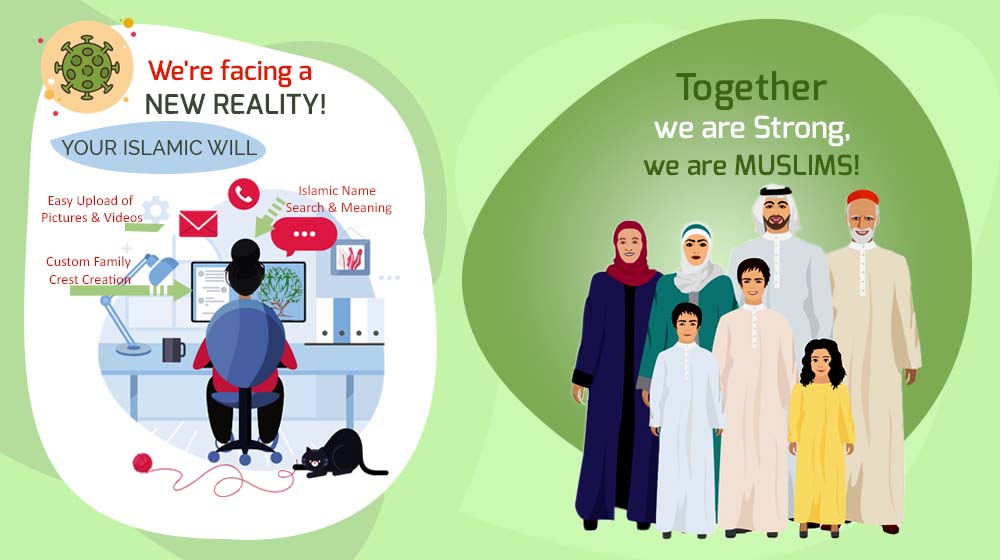
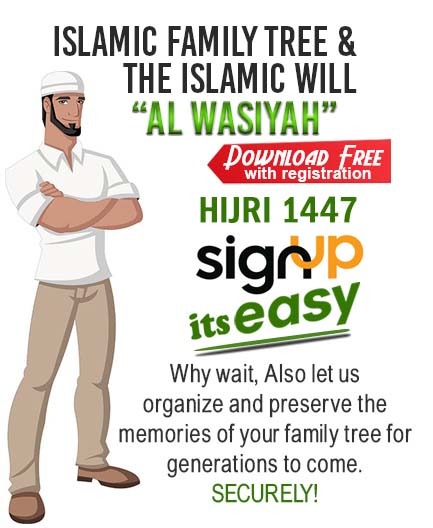
Islamic Family Tree step into this space, offering a thoughtful bridge between ancient tradition and modern technology. Designed specifically to honor the unique heritage, cultural nuances, and spiritual depth of Muslim families, this tool transforms scattered names and dates into a living, breathing chronicle of generations.
Why Lineage Matters So Deeply in Islamic Tradition
Long before digital databases and cloud storage, preserving family lineages (
Nasab) was a pillar of community and social fabric in early Islamic societies. Scholars dedicated their entire lives to verifying chains of transmission, not only to preserve the sayings and actions of the Prophet Muhammad (ﷺ), but to maintain the social ties that bind families together.
The Quran and the Sunnah place immense value on maintaining kinship ties (
Silat ar-Rahm). Knowing who your people are—where they lived, what they endured, and how they loved—cultivates a profound sense of gratitude and humility. When you trace your family tree, you stop seeing yourself as an isolated individual adrift in the present moment. Instead, you realize you are the continuation of a long, resilient line of human beings who weathered hardships, celebrated triumphs, and prayed for the descendants they would never meet.
Yet, keeping track of extended families scattered across continents is no small feat. Relatives migrate, surnames shift, generations overlap, and oral histories fade as elders pass away. Without a dedicated space to gather these fragments, precious pieces of family history slip away quietly.
What Makes IslamicFamilyTree.com Unique?
Generic genealogy platforms are powerful, but they often fall short when applied to Muslim families. Standard tree builders are usually built around Western naming conventions, single-spouse structures, or nuclear family setups that struggle to accommodate the richness of extended Muslim households, multiple marriages, cultural naming patterns, or Arabic script.
Islamic Family Tree was built from the ground up to understand these nuances. It offers a culturally attuned environment where your heritage is respected, represented, and safely preserved. Let us walk through the core features that make it an invaluable companion for anyone looking to document their family’s journey.
1. Seamless Bilingual Support (Arabic & English)
Names carry immense weight, often bearing meanings rooted in faith, history, or geographic origin. A major hurdle in traditional genealogy software is the awkward transliteration of Arabic and Islamic names into Latin alphabets, which can distort their true spelling and pronunciation.
Islamic Family Tree addresses this gracefully by offering robust bilingual support. You can input and view names in both Arabic script and English. This ensures that traditional names retain their authentic spelling, dignity, and spiritual significance, making the chart meaningful for older relatives who prefer reading in Arabic as well as younger generations more comfortable with English.
2. Culturally Intuitive Family Structures
Family dynamics across the Muslim world are beautifully diverse. Whether your family structure involves extended households living under one roof, multi-generational compounds, or blended families, the platform adapts to your reality. It effortlessly maps complex relationships—including multiple spouses, adopted children, and intricate webs of cousins, aunts, and uncles—without forcing your family history into a rigid, one-size-fits-all box.
3. Privacy and Security First
Family data is deeply personal. Birth dates, maiden names, historical locations, and private memories are not things you want floating around unsecured public databases. Islamic Family Tree places an uncompromising emphasis on privacy.
The platform employs advanced encryption and gives you granular control over who can view, edit, or contribute to your tree. You can share a private link with close relatives for collaborative editing while keeping sensitive records shielded from public eyes. It gives you peace of mind knowing that your family’s digital heirloom is safe, secure, and entirely under your control.
4. Collaborative Storytelling Across Continents
Building a comprehensive family tree is rarely a solo endeavor. Aunt Fatima in London might remember the name of your great-grandfather’s village, while an uncle in Karachi might have old scanned photographs of your grandparents' wedding day.
Instead of passing messy spreadsheets or endless WhatsApp voice notes back and forth, Islamic Family Tree allows family members scattered across different time zones to collaborate in real-time. Invite relatives to contribute memories, verify dates, and upload historical documents. It turns the research process into a joyful, unifying family project rather than a lonely chore.
5. Beyond Dates: Preserving Stories and Media
A string of names and birth years on a chart can feel a bit sterile if there is no context behind them. Who was your great-grandmother? What did your grandfather sound like when he laughed? What stories did they tell around the hearth on winter nights?
The platform encourages you to go beyond basic genealogy by attaching rich media to individual profiles. You can upload:
- Restored Photographs: Bring faded black-and-white portraits of ancestors back to life.
- Audio Recordings: Save voice clips of elders pronouncing names correctly or telling personal anecdotes.
- Documents and Letters: Archive old land deeds, immigration papers, school report cards, or handwritten letters sent across borders decades ago.
These additions transform a flat family tree into an immersive digital museum dedicated entirely to your lineage.
How to Get Started on Your Genealogy Journey
Starting a family tree can feel intimidating at first. You might look at a blank screen and wonder where to begin. The secret is to take it one small step at a time. Here is a simple roadmap to help you build a rich, accurate family tree using Islamic Family Tree:
Step 1: Start with What You Know
Begin with yourself, your parents, and your siblings. Map out the immediate branch you know by heart. This builds an initial framework and gives you momentum.
Step 2: Conduct "Kitchen Table" Interviews
Before diving into online archives, talk to the oldest living members of your family. Sit down with tea, turn on a voice recorder on your phone, and simply listen. Ask open-ended questions:
- Where were you born, and what are your earliest memories of your childhood home?
- What were the names of your grandparents, and where did they live?
- Do you remember any family recipes, migrations, or major historical events that affected our family?
You will often be surprised by the vivid details, humorous anecdotes, and forgotten names your elders recall the moment someone shows a genuine interest in listening.
Step 3: Dig Into Digital Archives and Documents
Once you have oral accounts, look for physical evidence. Check old family albums, passport stamps, citizenship papers, marriage certificates, and property deeds. These documents often contain exact dates, maiden names, and locations that clear up confusion in oral histories.
Step 4: Input and Organize on the Platform
Begin transferring your findings into Islamic Family Tree. Add profiles systematically, attach photos as you go, and cross-reference dates to ensure accuracy.
Step 5: Invite Your Relatives to Collaborate
Once you have built the skeleton of the tree, share access with trusted family members. Ask them to check for missing branches, correct spelling errors, and add stories from their side of the extended family.
The Spiritual and Emotional Rewards of This Work
Why invest the time, patience, and effort into building a family tree?
For starters, it serves as a profound act of honoring your parents and ancestors. In Islamic teachings, honoring those who came before us is a virtue. When we remember our ancestors, make dua for those who have passed away, and preserve their struggles so that future generations understand the sacrifices that paved the way for them, we practice a quiet, beautiful form of gratitude.
Furthermore, it offers an incredible gift to the younger generation. Children growing up in a fast-paced, digital world often struggle with identity. Showing a child a visual map of their family history—pointing to a great-grandfather who was a dedicated teacher or a grandmother who showed extraordinary resilience through migration—gives them a tangible anchor. It tells them:
You come from good people. You belong to a story that is much bigger than yourself.Final Thoughts
Our lives pass quickly, but the legacy we leave behind echoes through the generations that follow. Memories fade, paper documents turn brittle, and old graves become overgrown with grass.
Platforms like
Islamic Family Tree give us a modern, secure way to defy that fading process. By combining cultural sensitivity, bilingual capabilities, and collaborative storytelling, it makes preserving your heritage an accessible and deeply rewarding experience.
Don't let your family’s unique story get lost to time. Gather your relatives, open up a digital workspace, and begin weaving together the remarkable tapestry of where you came from. After all, when you know your roots, you stand much taller in the present.